
Animal Family Mobile
Created for Super Simple
All life on Earth is related. The birds, the bugs, and even the trees are our cousins. In this activity, you’ll make a mobile that is also a family tree showing how the major animal groups are related to each other.
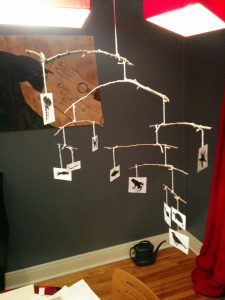
You need:
- An assortment of sticks
- This template, printed out (two copies)
- Scissors
- String
- Tape
- Glue stick
Go outside and collect an assortment of sticks. You’ll want a couple that are 50 centimetres long.
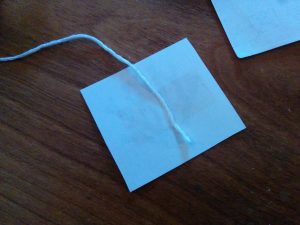 Print out two copies of this template. Use the scissors to cut out all twenty rectangles around the animal silhouettes.
For each animal silhouette that you cut out, cut a piece of string and tape one end to the back of the silhouette. Then glue the other copy of the same silhouette overtop of the string, to make a rectangle with two sides.
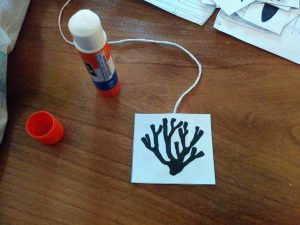 The only exception: birds are classified as a kind of reptile, so instead of separate strings for the bird and reptile silhouettes, use the same piece of string and tape it to both of them, with the bird silhouette hanging below the reptile silhouette.
Now that all your animals are on strings, use your sticks to start building your mobile. The animals will need to be arranged like this, to reflect how the different groups are related to each other:
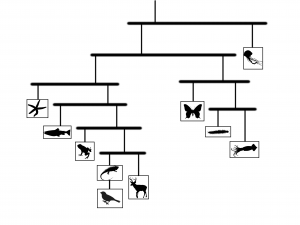
Start building your mobile from the bottom up. Hang the mammal string 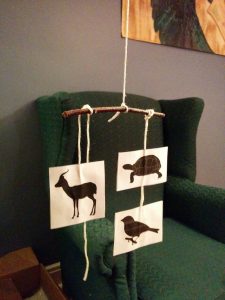 and the reptile/bird string from a small stick, then hang that small stick from a third string. Adjust the positions of all three strings until the stick is balanced and hangs horizontally. Then move up to the next level.
When you’ve finished, hang your mobile from a hook on the ceiling and marvel at the diversity of the animal world!
Animals without backbones:
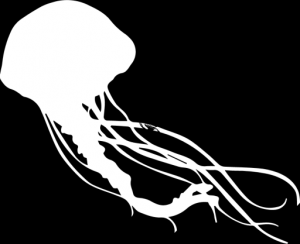 Jellyfish live mostly in the ocean. They have an umbrella-shaped top and lots of stinging tentacles to catch food and defend themselves.
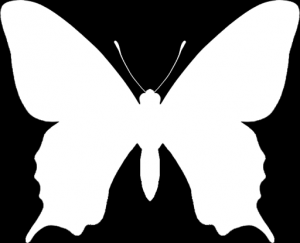 Arthropods, unlike us, keep their hard parts on the outside and their squishy parts on the inside. They have segmented bodies and lots of legs. They include spiders, crabs, centipedes, and the millions of insects, from ants to beetles to butterflies.
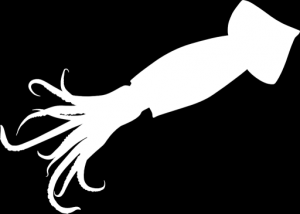 Molluscs are an extremely diverse group that includes squid, octopus, snails, clams, and oysters. Many of them have shells of one kind or another.
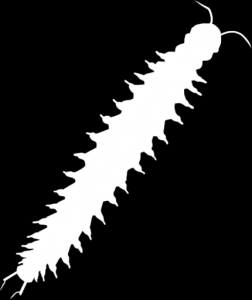 Annelids are worms with segmented bodies. Some live in the ocean; others, like earthworms, live in the soil.
 Echinoderms include starfish, sea urchins, and sea cucumbers. Their bodies are usually five-sided.
Animals with backbones:
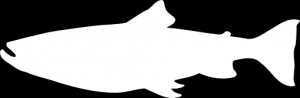 Ray-finned fish swim with fins and breathe underwater through gills. They include most of the fish we’re familiar with, like goldfish, salmon, tuna, clownfish, and seahorses.
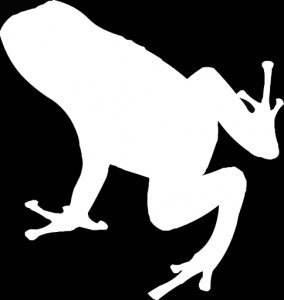
Amphibians have smooth and slimy skin, and they begin life as tadpoles. They can live on land, but they have to lay their eggs in water. Amphibians include frogs, toads, and salamanders.
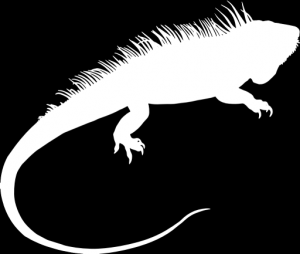 Reptiles are covered in scales and lay their eggs on land. They include turtles, lizards, snakes, and crocodiles.
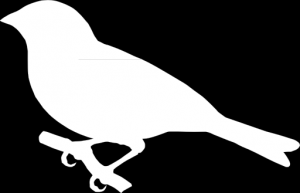 Birds have beaks and feathers, and most of them can fly. Nowadays, scientists agree that birds are a kind of reptile. Like other reptiles, birds lay their eggs on land, and they have scales on their feet.
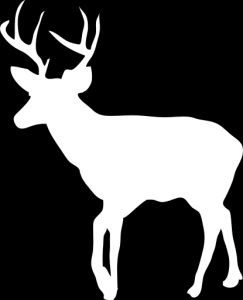 Mammals have hair or fur, and they feed their babies with milk. Almost all of them have live babies instead of laying eggs. People are mammals, and so are many of the animals we’re most familiar with: dogs and cats, cows and horses. Bats fly like birds, and whales swim like fish, but they’re both mammals because they feed their babies with milk.
Animal silhouettes from Phylopic; all released under no copyright.
Composting
Created for Super Simple
Don’t throw that banana peel in the garbage! It’s organic waste: waste that consists of dead plant and animal parts. This includes things like fruit and vegetable scraps, coffee grounds, dry leaves, and grass clippings. It sounds gross—and sometimes it is—but it’s very, very important.
Plants grow in soil, which is where they get many of their nutrients: the chemicals that they need in order to live. If the soil doesn’t have enough nutrients in it, plants won’t grow in it.
Luckily, soil is absolutely full of tiny living things, from insects and earthworms down to bacteria and fungi. These creatures are called decomposers. They break down organic waste, releasing its nutrients into the soil, where plants can use them.
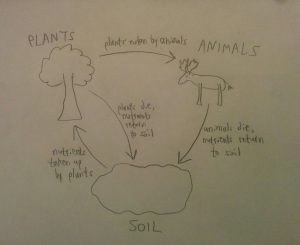 As you can see in this diagram, nutrients in soil are taken up by plants. Plants die and decompose, and nutrients are returned to the soil. Plants are also eaten by animals, passing nutrients on to them. Animals die and decompose, and nutrients are returned to the soil. These cycles have been going on in nature since the beginning, with the same nutrients going around and around. All the nutrients that come out of the soil go back in.
But when organic waste goes into the trash instead, it ends up in a landfill, where air, water, and decomposers can’t get at it. So instead of being broken down like it should, it’s just stored. Worse, it’s mixed in with other, non-organic wastes, many of which are poisonous. The valuable nutrients it contains are lost to the soil, and to the ecosystem. Meanwhile, the landfill just gets bigger and bigger.
To help work against this, many cities now have organic waste collection. If you have a yard, you can also use organic waste to make your own compost, nutrient-rich dirt you can put on your garden to help it grow.
Compost is made by piling organic waste (but no animal products) in a big heap, or in a bin. You can buy a compost bin, or make one out of chicken wire, wood, cinder blocks, or a barrel. Over time, decomposers will break the waste down.
To do their job, decomposers need air (so make sure there are openings in the sides and bottom of the bin) and moisture (but not too much). Mixing it up once a month will help too. If it’s a big enough pile, the action of all the decomposers will keep it warm, even in the winter.
After about a year, some of the waste will have completely broken down into finished compost. It won’t smell rotten anymore, but like fresh soil. Spread it on your garden, and you’ll have returned the nutrients to the soil, where plants can use them again!
That’s the beauty of decomposers. Something that was once waste—the end of a process—can become food for something else—the beginning of a process.
Right as Rain: The Water Cycle
Created for Super Simple
Did you know that you can make it rain in your own kitchen? Here’s what you need:
- Plate
- Refrigerator
- Water
- Kettle
First, put the plate in the refrigerator overnight. It needs to be nice and cold for this activity.
With an adult’s help, fill the kettle with water and turn it on. When it starts to boil, hold the cold plate upside-down, a couple of inches above the kettle’s spout. Be careful, because steam is really hot!
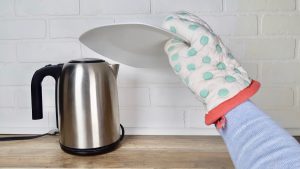
Watch what happens as the steam from the kettle hits the plate. You’ll notice that it’s turning back into liquid water, and gathering on the plate. Eventually, it will start dripping off. It’s raining!
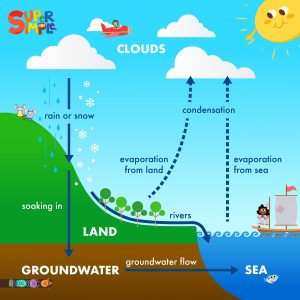
This is the same way that rain works in nature, but to understand what’s going on, there are two words you need to know. When a liquid changes to a gas, that’s called evaporation. When a gas changes to a liquid, that’s called condensation.
Water evaporates from the land, from the sea, and from plants as they breathe. It changes from liquid to gas (called water vapour), and rises up into the sky.
High in the sky, water vapour sticks to tiny particles of dust, and condenses back into liquid droplets. These droplets are so small that they don’t fall, but stay suspended in the air. A cloud is a whole bunch of these suspended water droplets.
As more and more water vapour joins the cloud, the droplets begin to stick together, and eventually they become too big and heavy to stay in the sky. This is when they fall to the earth as rain (or snow, depending on how cold the air is).
The same thing happens during this experiment in your kitchen. Boiling water in the kettle changes it from liquid to gas (like evaporation, but faster). When the water vapour hits the cold plate, it condenses back into liquid. When there’s enough of it, it falls.
When water hits the ground, some of it runs off the land into rivers and lakes, which eventually flow into the ocean. Some water soaks deep into the soil, and deep into cracks in rock, and becomes groundwater (the water we get from wells). And some water is drunk by plants and animals. Then it evaporates again and returns to the clouds.
The movement of water around the planet is called the water cycle. Most of the planet is covered in water – instead of planet Earth, maybe it should be called planet Water – and the water is in constant motion. The same water has been going around and around since the earth began, so the water we drink is the same water that the dinosaurs drank!
The ocean is full of tiny floating plants called phytoplankton. When the wind over the ocean is strong, phytoplankton that are on the surface can be tossed into the air, and they’re so small that updrafts blow them high into the sky. Some of these phytoplankton produce a gas that causes the water vapour around them to condense into clouds. When these clouds produce rain, the phytoplankton fall back to earth with the raindrops, far, far away from where they started.
So, some scientists think that clouds were invented by phytoplankton as a way to get from one place to another!